Explore our complete range of premium peptides for research purposes
Showing 31 products
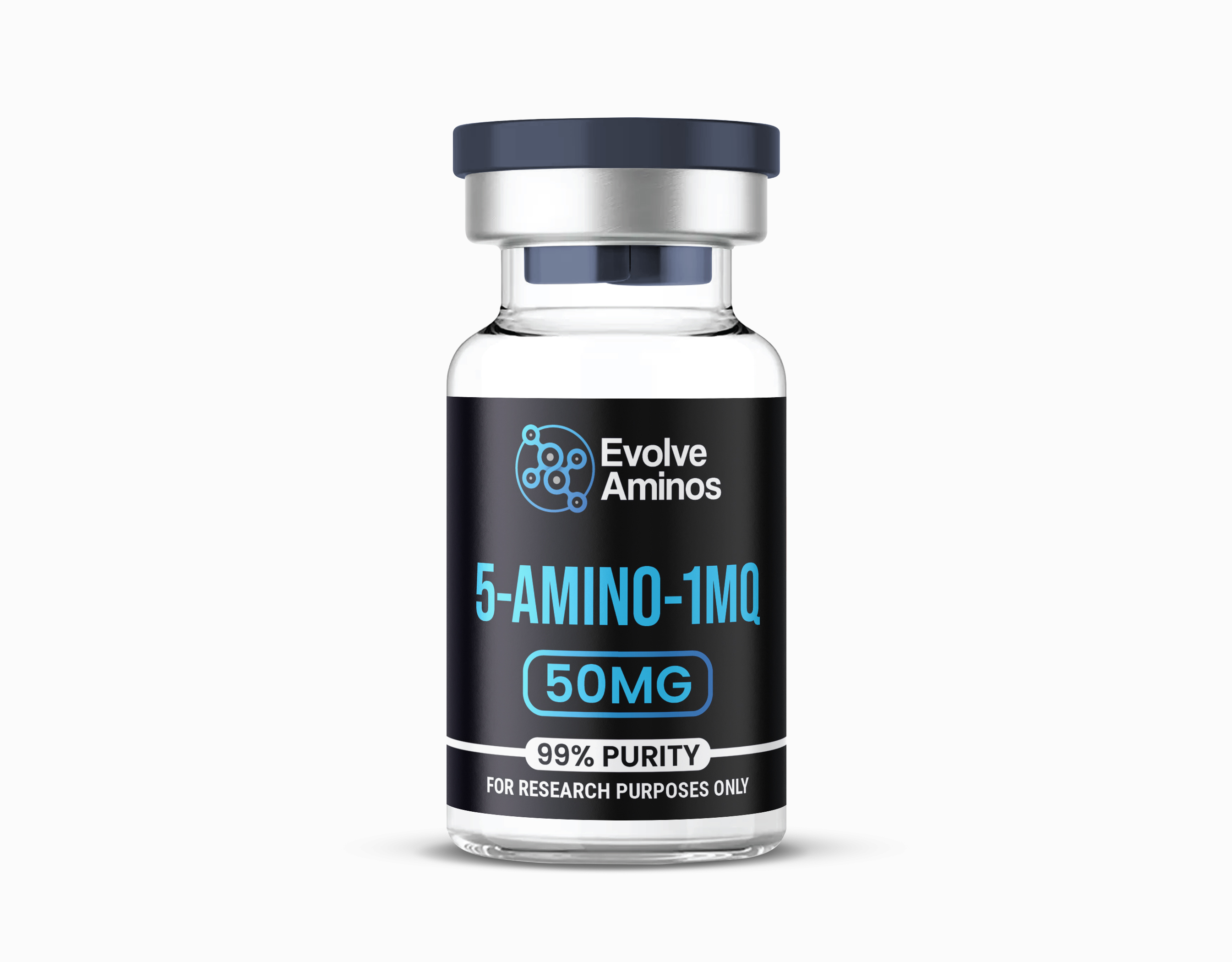
50mg
5-Amino-1MQ is a small molecule inhibitor of nicotinamide N-methyltransferase (NNMT), an enzyme involved in cellular energy expenditure regulation. It has been studied in preclinical models for its effects on NNMT-mediated metabolic pathways, adipocyte differentiation, and NAD+ salvage pathway modulation.
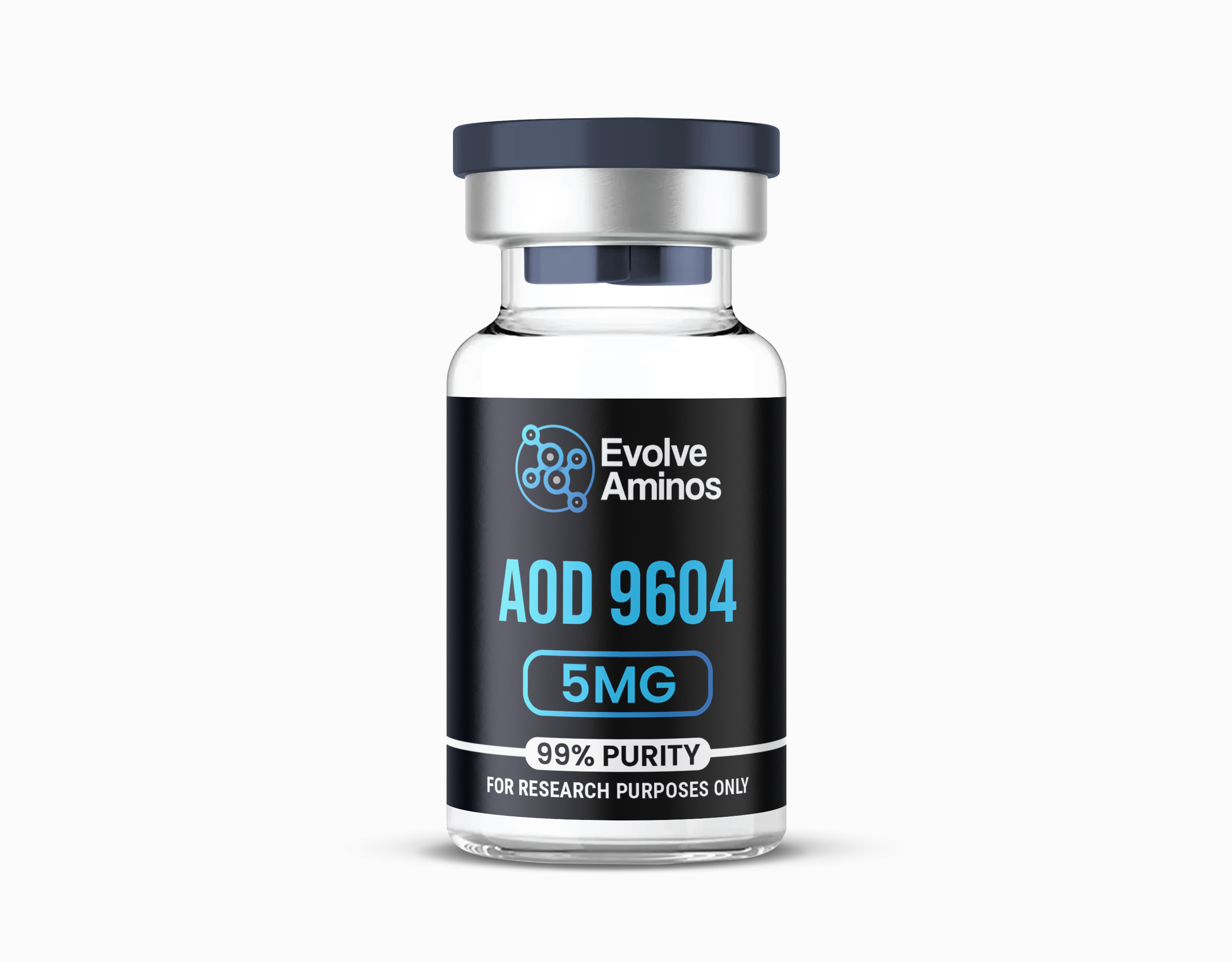
5mg
AOD 9604 is a modified fragment (amino acids 177-191) of the human growth hormone polypeptide. It has been studied in preclinical and clinical models for its effects on lipid metabolism pathways, specifically lipolysis stimulation and lipogenesis inhibition, without impacting IGF-1 levels or glucose homeostasis.
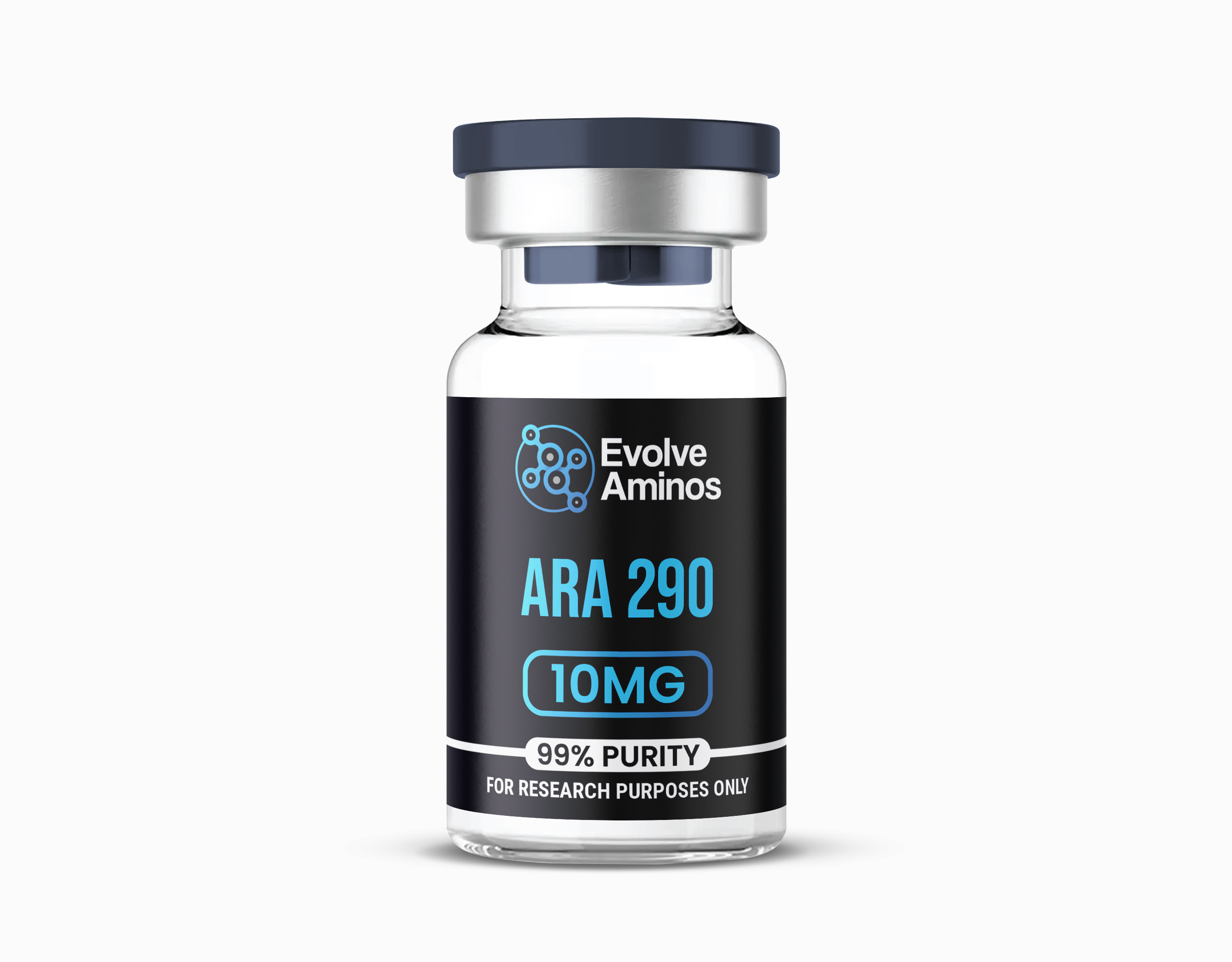
10mg
ARA 290 is a synthetic peptide derived from erythropoietin (EPO) that has been studied for its tissue-protective and anti-inflammatory properties without affecting red blood cell production. Research focuses on its potential applications in neuroprotection and tissue repair.
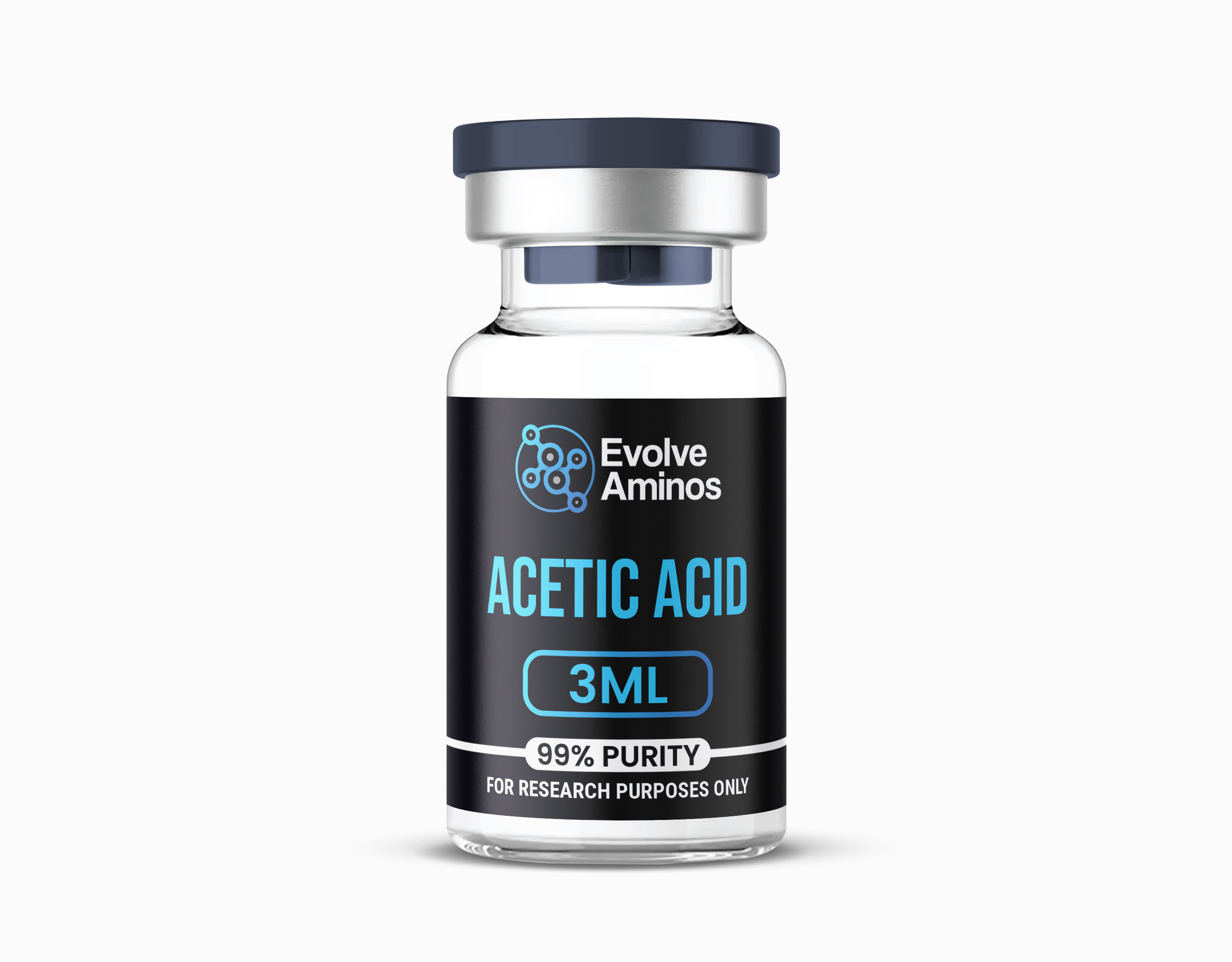
3ML
Acetic Acid solution for peptide reconstitution. Essential laboratory supply for research applications.
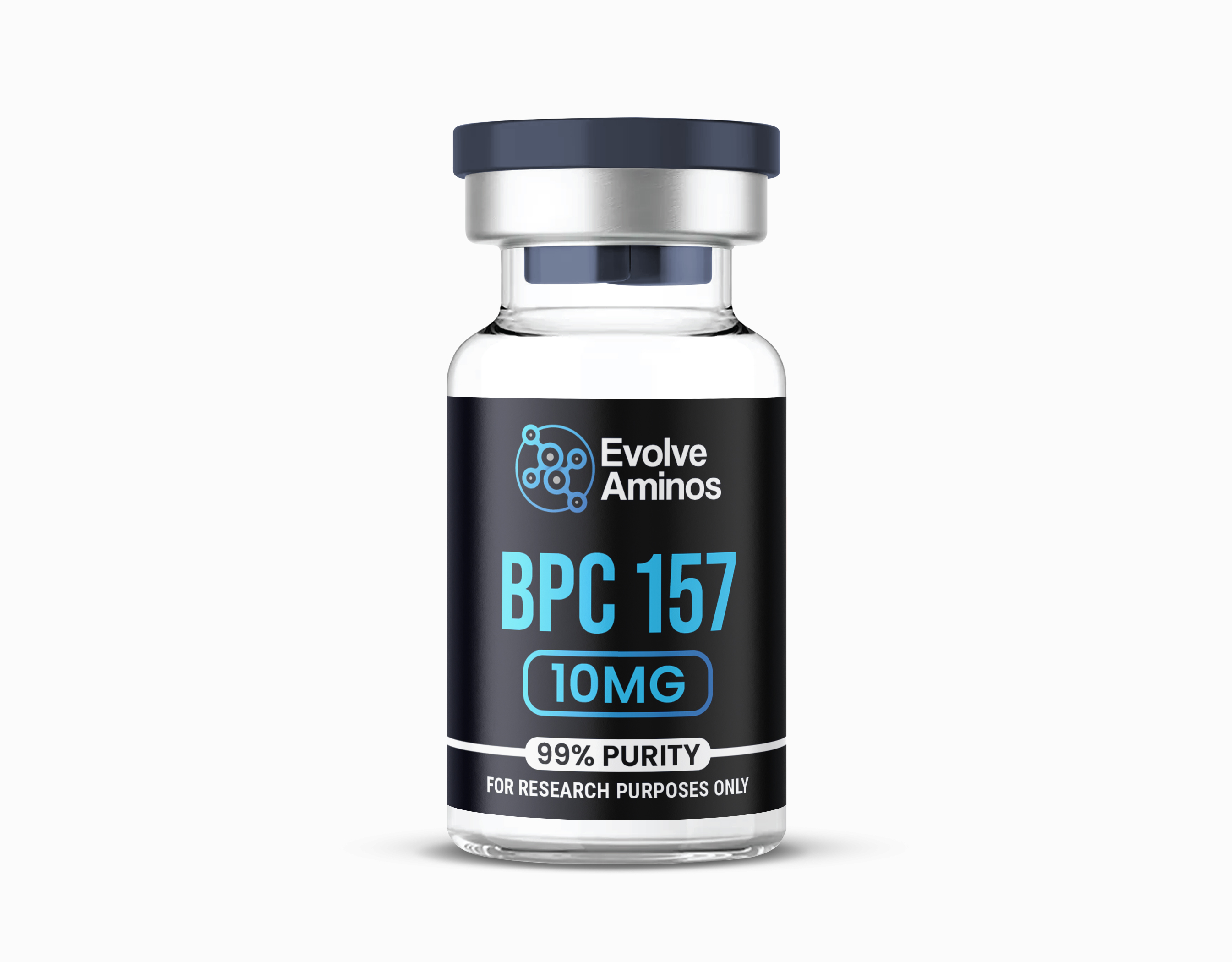
BPC-157 (Body Protection Compound-157) is a synthetic pentadecapeptide derived from human gastric juice proteins. It has been extensively studied in preclinical models for its effects on angiogenesis, nitric oxide modulation, and tissue repair signaling cascades across musculoskeletal, gastrointestinal, and neural tissues.
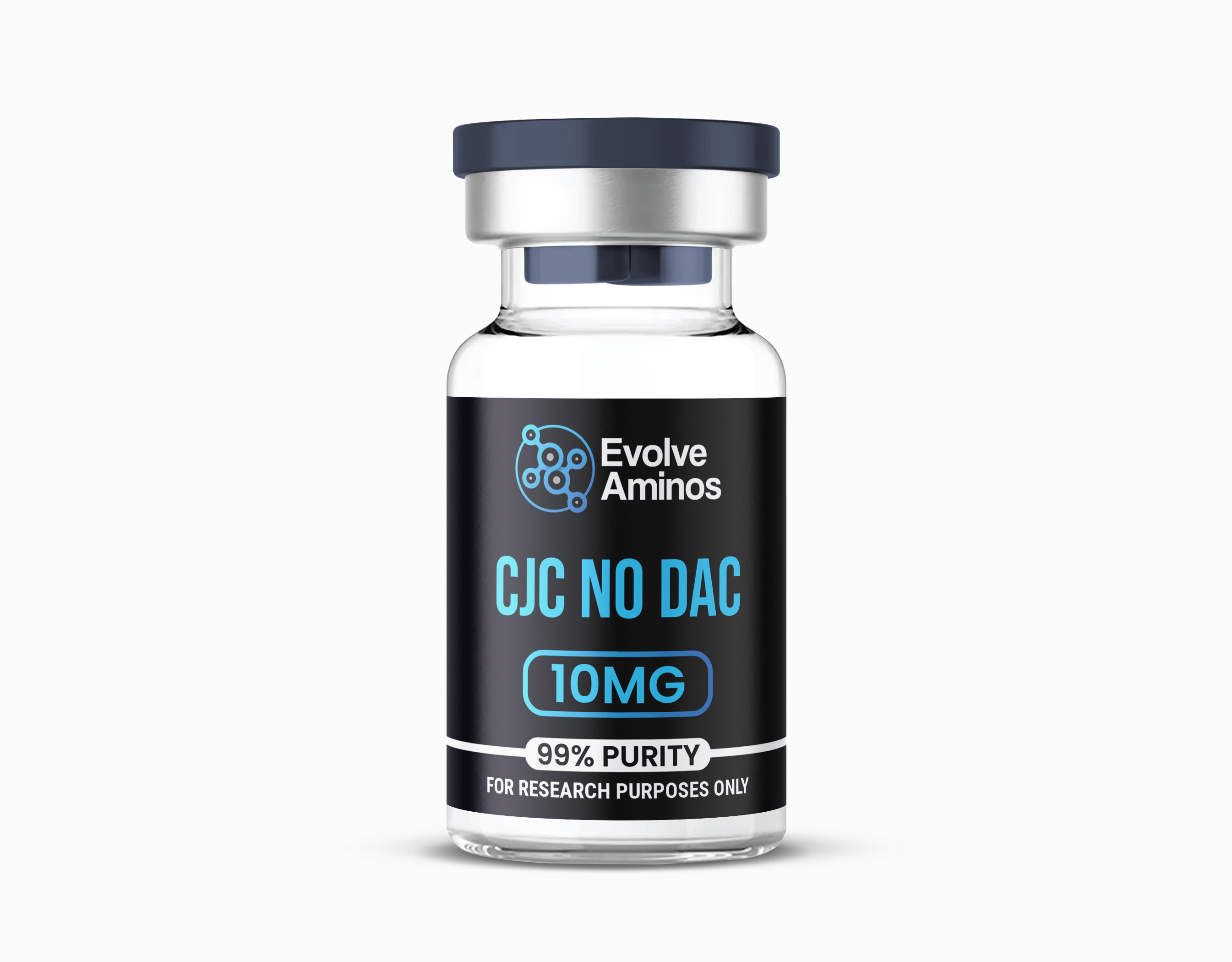
CJC-1295 without DAC (Modified GRF 1-29) is a synthetic 29-amino acid analog of growth hormone-releasing hormone (GHRH) with amino acid substitutions at positions 2, 8, 15, and 27 to enhance metabolic stability. It has been studied for its effects on pulsatile growth hormone secretion and GHRH receptor pharmacology.
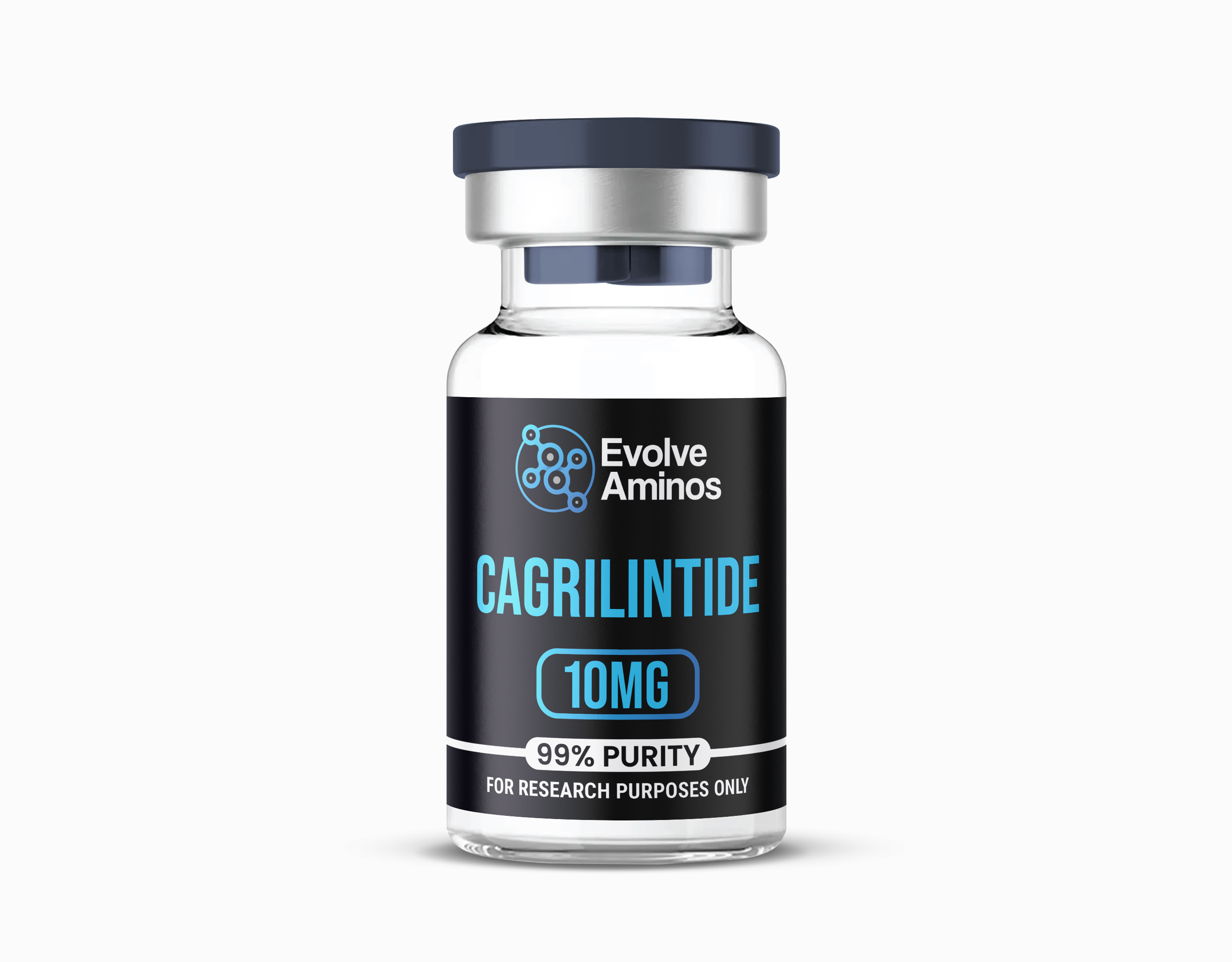
Cagrilintide is a long-acting acylated amylin-receptor agonist investigated in preclinical and clinical-phase metabolic research. Peer-reviewed data characterize its binding kinetics at calcitonin and amylin receptor subtypes (CTR/RAMP complexes), with downstream effects on gastric motility, area postrema signaling, and glucagon suppression in rodent and primate models. Supplied as a 10mg lyophilized vial for in vitro and in vivo laboratory use only.
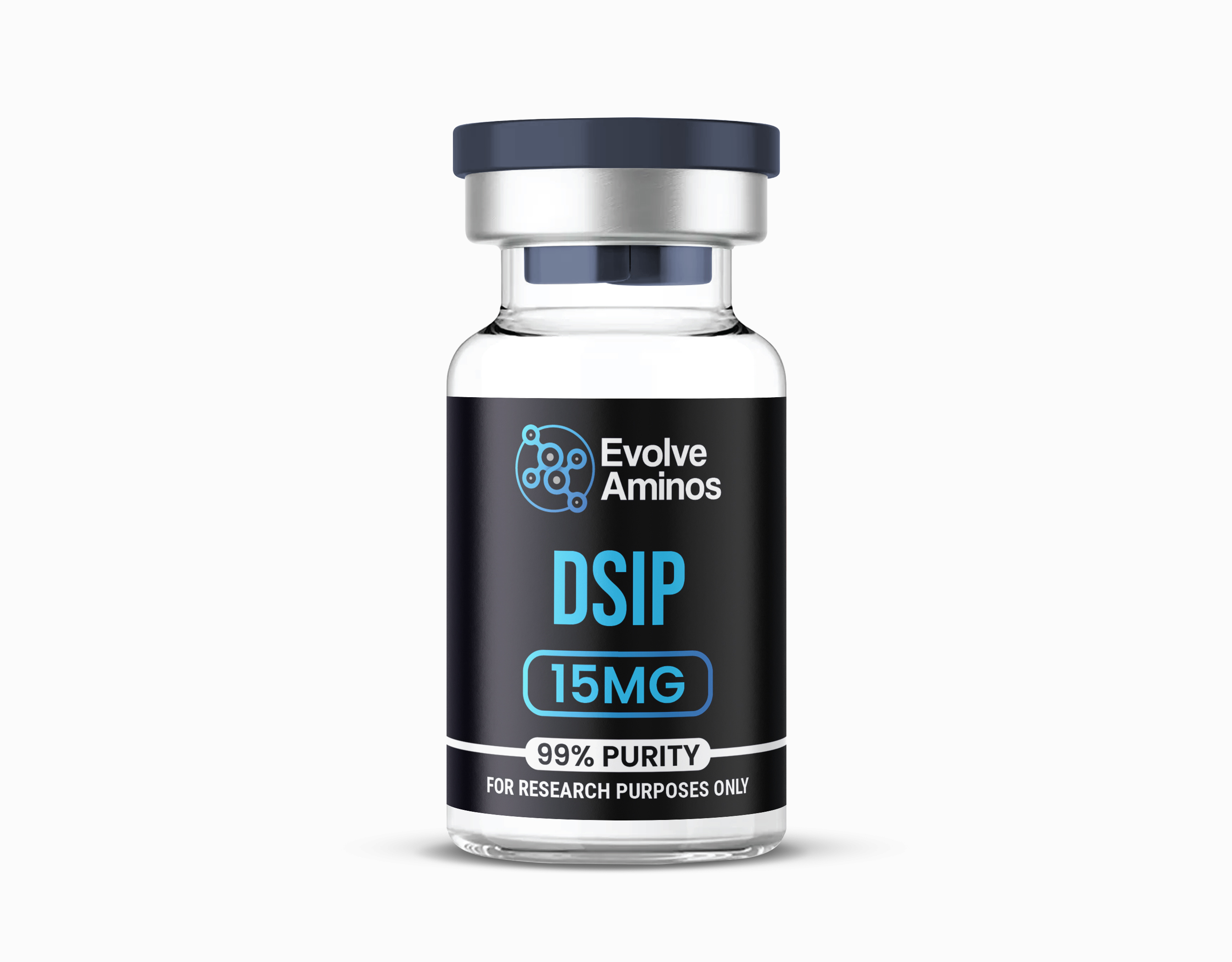
15mg
DSIP (Delta Sleep-Inducing Peptide) is a naturally occurring nonapeptide first isolated from cerebral venous blood. It has been studied in preclinical and clinical models for its effects on sleep architecture modulation, hypothalamic-pituitary axis regulation, and stress-response peptide signaling.
Epithalon (Epitalon) is a synthetic tetrapeptide (Ala-Glu-Asp-Gly) based on the naturally occurring pineal gland peptide epithalamin. It has been studied in preclinical models for its effects on telomerase activation, telomere length maintenance, and pineal gland melatonin synthesis regulation.
GHK-Cu (Glycyl-L-Histidyl-L-Lysine Copper) is a naturally occurring copper-binding tripeptide found in human plasma. It has been extensively studied for its role in gene expression modulation, with research identifying over 4,000 genes influenced by this peptide, particularly those involved in extracellular matrix remodeling and antioxidant enzyme regulation.
70mg
GLOW is a 70mg research blend combining BPC-157 (10mg), TB500 (10mg), and GHK-Cu (50mg). This formulation is designed for in vitro and preclinical investigations into tissue repair cascades, extracellular matrix remodeling, and copper-peptide signaling pathways. Each compound has been independently studied for its role in wound-healing models, and this blend enables researchers to evaluate their combined effects under controlled laboratory conditions.
60mg
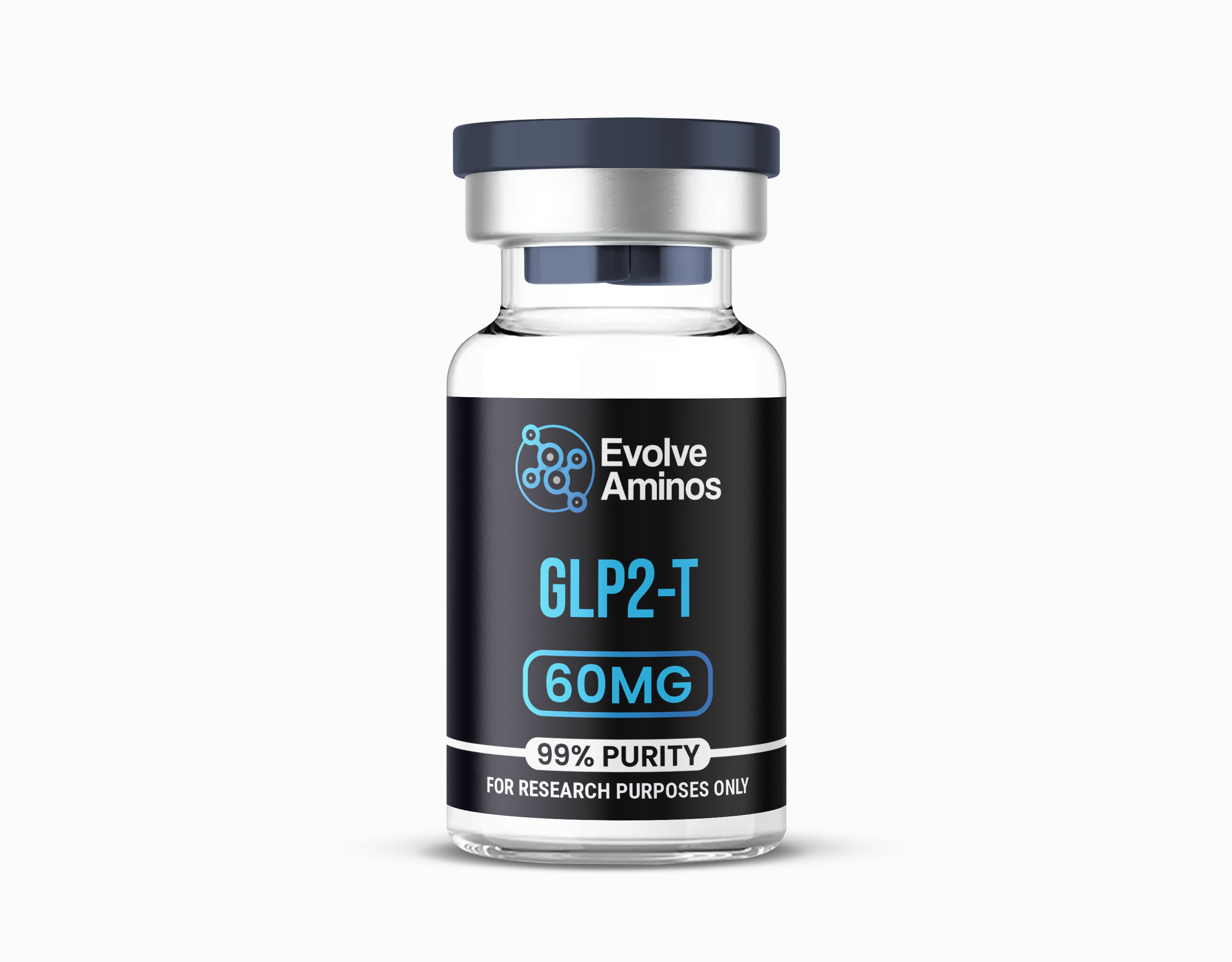
GLP2-T is a dual GIP/GLP-1 receptor agonist investigated in preclinical and clinical-stage metabolic research. Published studies characterize its binding affinity at both incretin receptor subtypes, with data on downstream cAMP signaling, insulin secretion kinetics, and gastric motility modulation in animal models. This compound is supplied as a lyophilized research material for in vitro and in vivo laboratory use only.
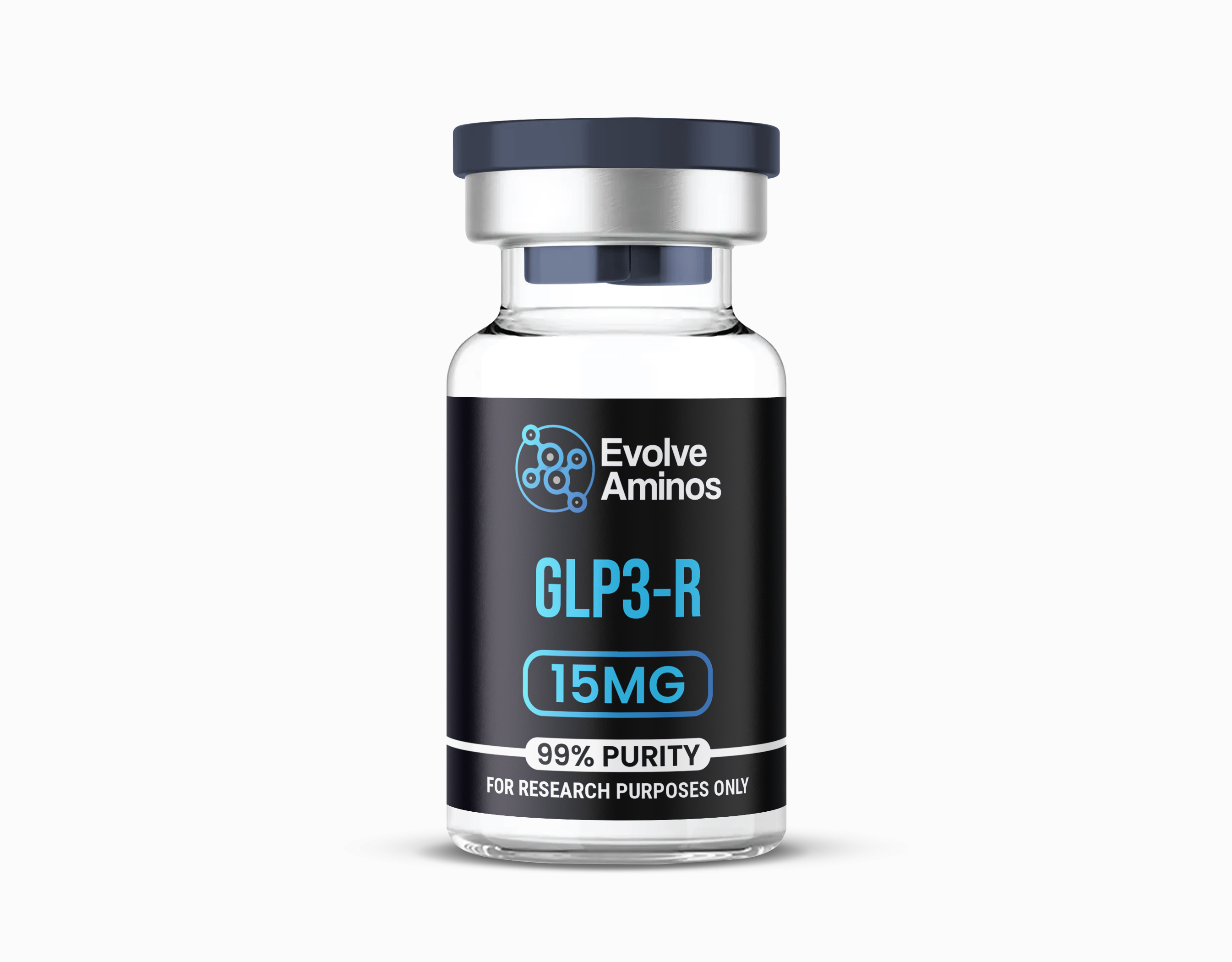
GLP3-R is a triple-agonist peptide targeting GLP-1, GIP, and glucagon receptors, investigated in preclinical metabolic research for its multi-receptor binding pharmacology. Published data characterize its affinity profiles across all three incretin/glucagon receptor subtypes, with downstream effects on cAMP signaling, hepatic lipid oxidation, and energy-expenditure pathways in rodent models. Supplied as a 15mg lyophilized vial for in vitro and in vivo laboratory use only.
30mg
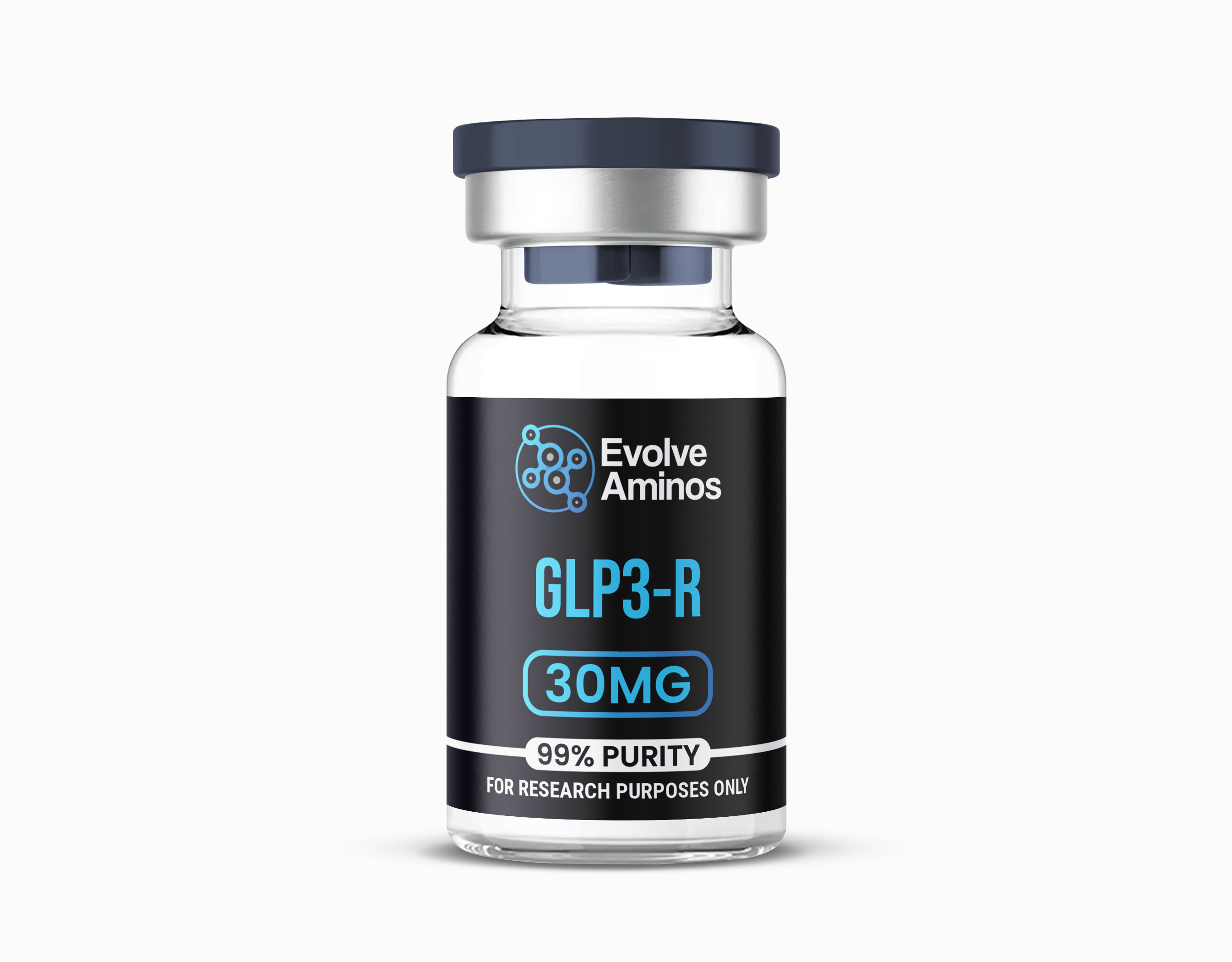
GLP3-R is a triple-receptor agonist peptide targeting GLP-1, GIP, and glucagon receptors simultaneously. It has been studied in preclinical and clinical trial models for its multi-receptor pharmacology, investigating the synergistic effects of concurrent incretin and glucagon receptor activation on metabolic signaling pathways.
1500mg
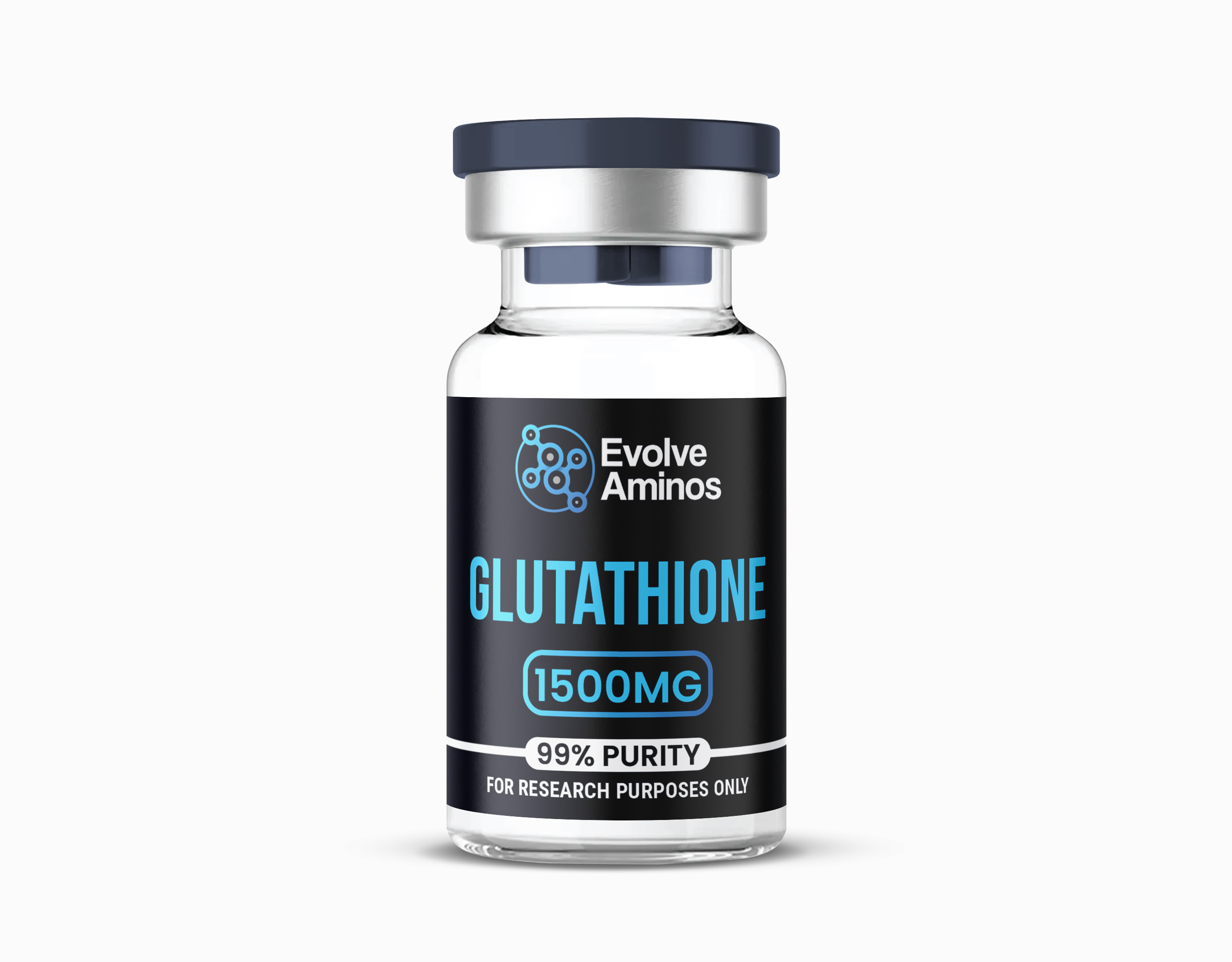
Glutathione (GSH) is a tripeptide (γ-glutamyl-cysteinyl-glycine) that serves as the primary intracellular thiol antioxidant. It is a critical subject in oxidative stress research, phase II detoxification studies, and cellular redox homeostasis investigations. Its role in maintaining the reduced state of other antioxidants has been extensively documented in peer-reviewed literature.
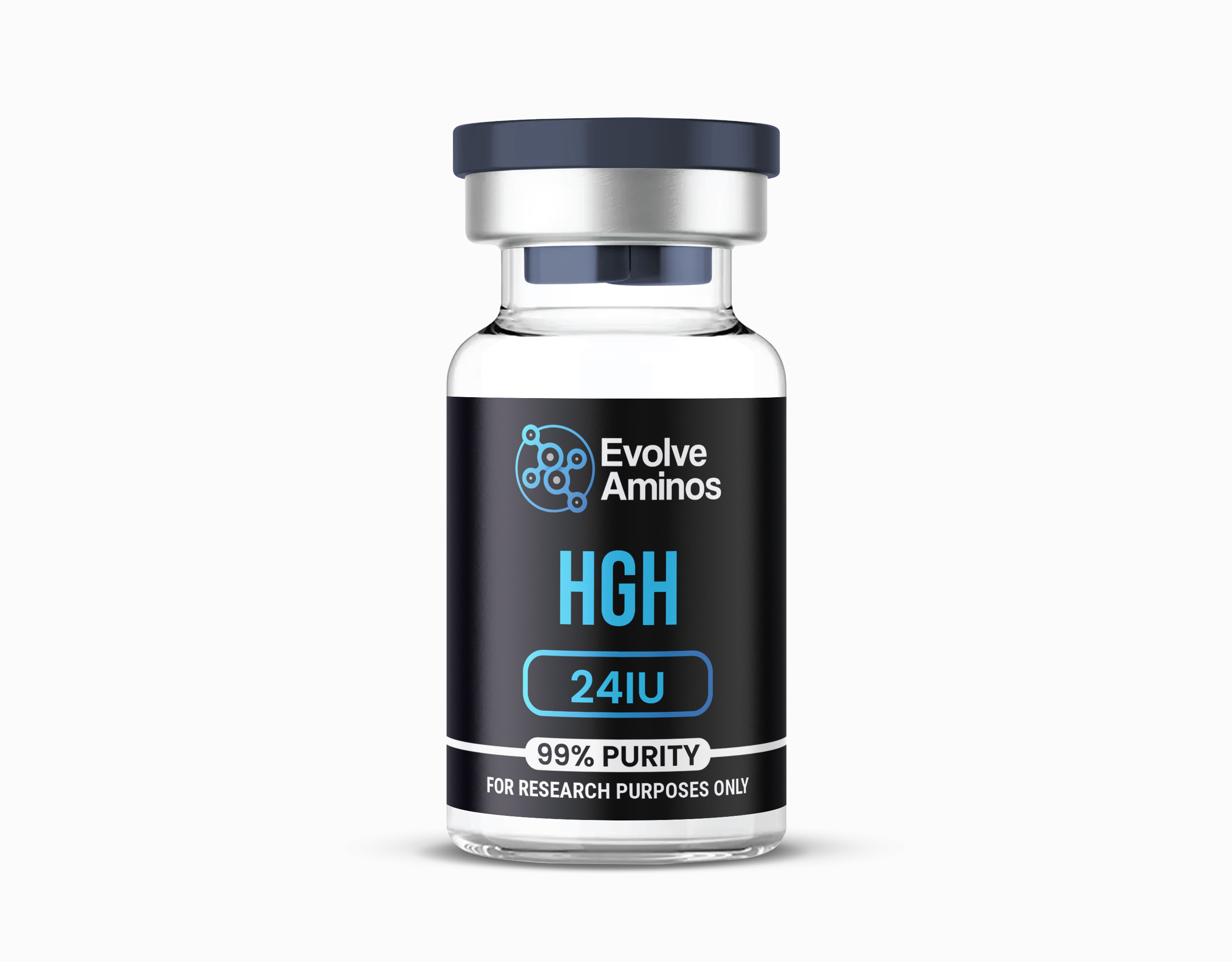
24iu
Human Growth Hormone (HGH) is a 191-amino acid single-chain polypeptide secreted by somatotroph cells of the anterior pituitary gland. It is a foundational subject in endocrine research, with extensive published literature examining its role in the GH/IGF-1 axis, somatic cell proliferation, and metabolic regulation.
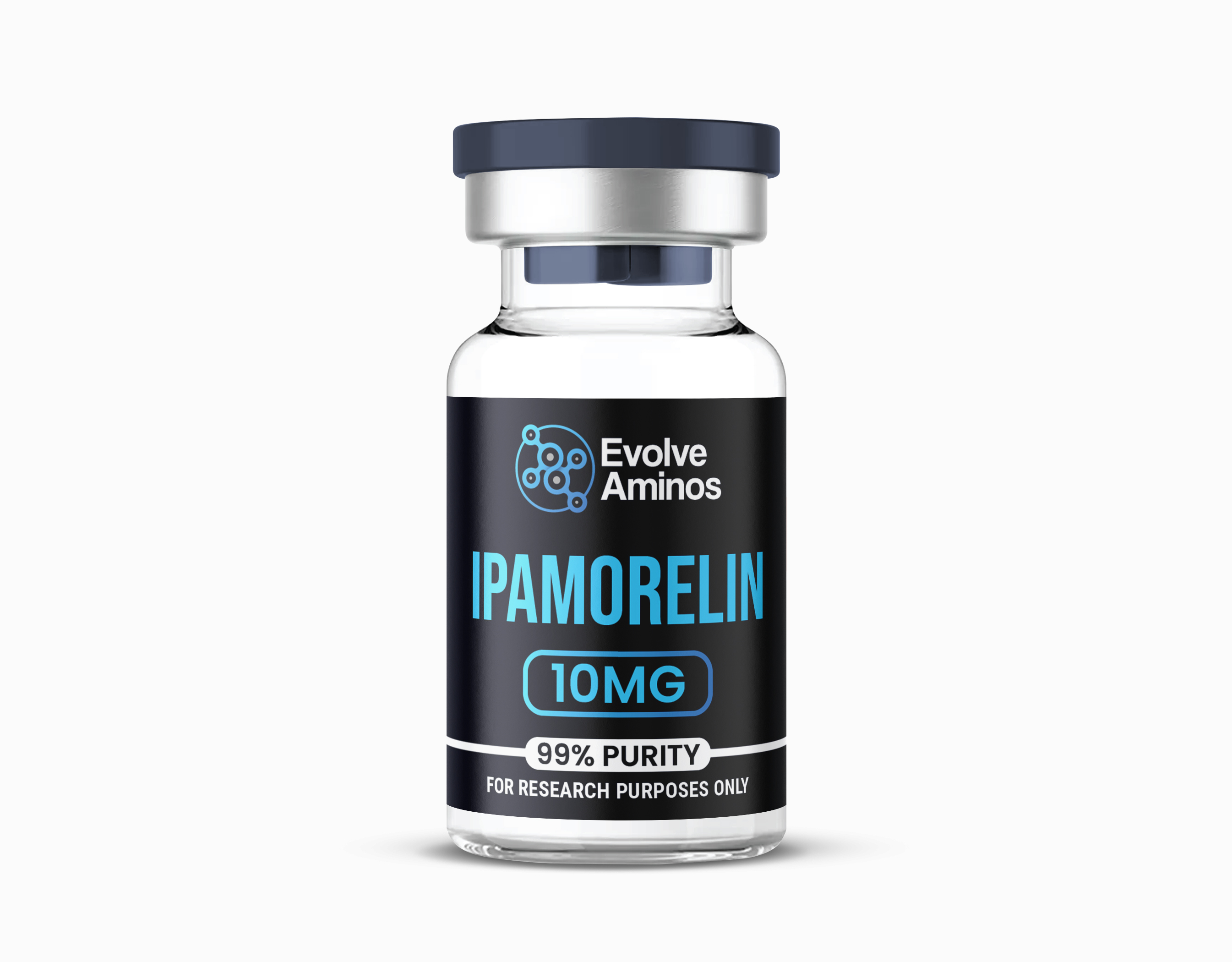
Ipamorelin is a selective growth hormone secretagogue (GHS) pentapeptide that binds to the ghrelin/GHS receptor. It has been investigated in preclinical and clinical studies for its selective stimulation of growth hormone release without significant effects on cortisol or prolactin levels, making it a subject of interest in endocrine signaling research.
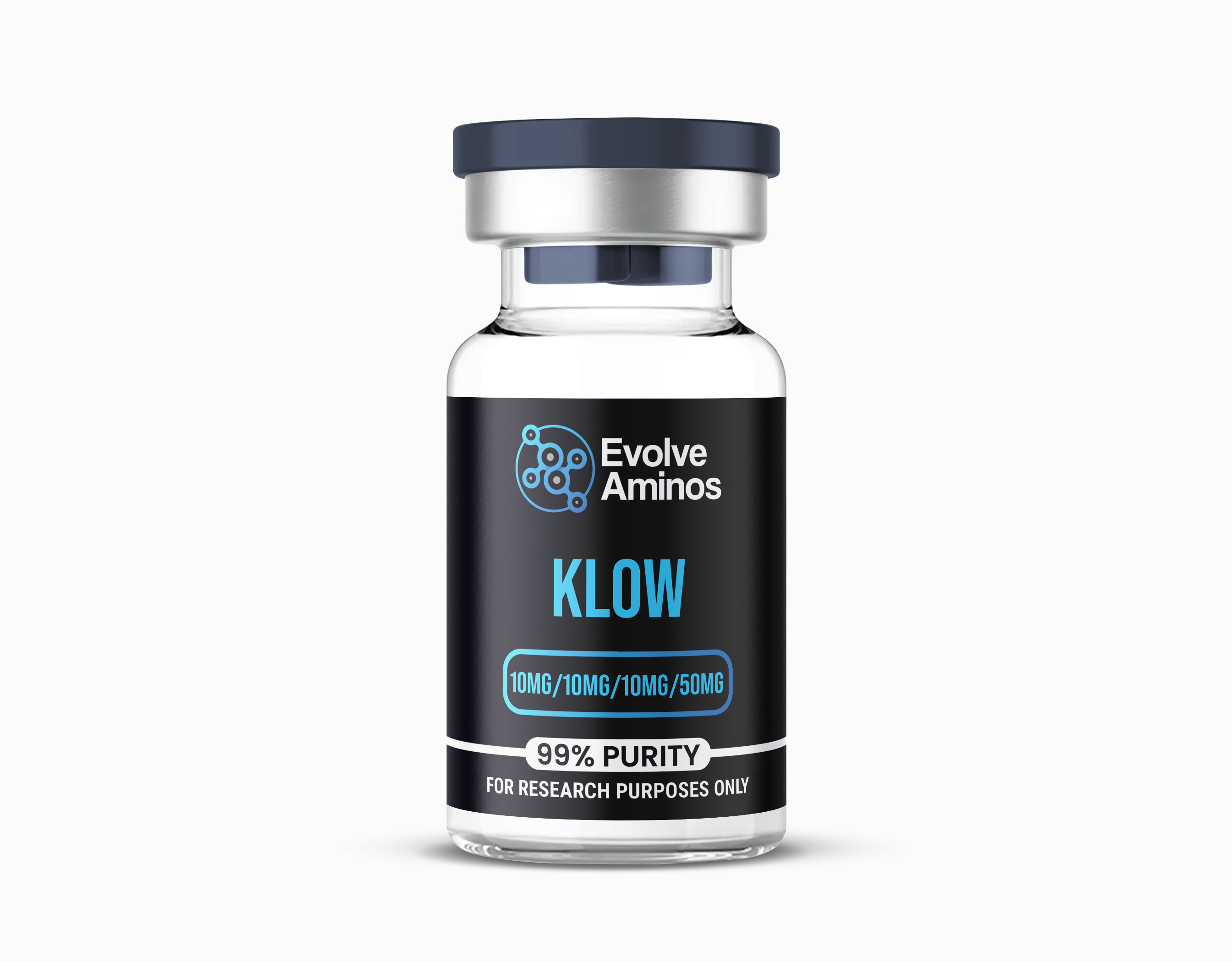
80mg
KLOW is an 80mg research blend combining BPC-157 (10mg), TB500 (10mg), KPV (10mg), and GHK-Cu (50mg). This four-compound formulation is designed for preclinical and in vitro studies exploring multi-pathway tissue repair, inflammatory cytokine modulation, and extracellular matrix signaling. Each peptide has been independently characterized in peer-reviewed literature, and this blend allows researchers to investigate their synergistic interactions under controlled experimental conditions.
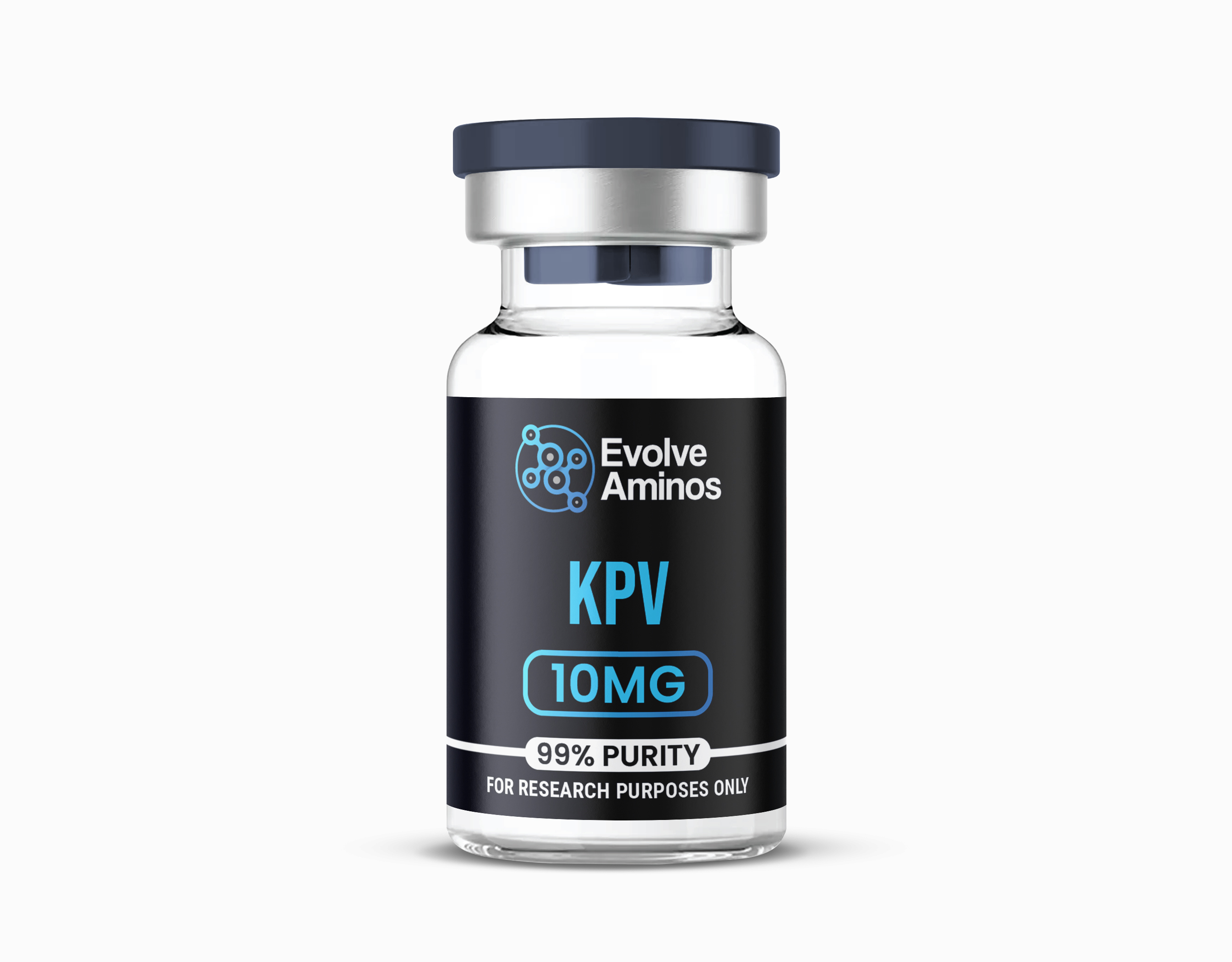
KPV (Lys-Pro-Val) is a C-terminal tripeptide fragment derived from alpha-melanocyte stimulating hormone (α-MSH). It has been studied in preclinical models for its effects on NF-κB inflammatory signaling inhibition, with particular focus on mucosal and epithelial tissue inflammation models.
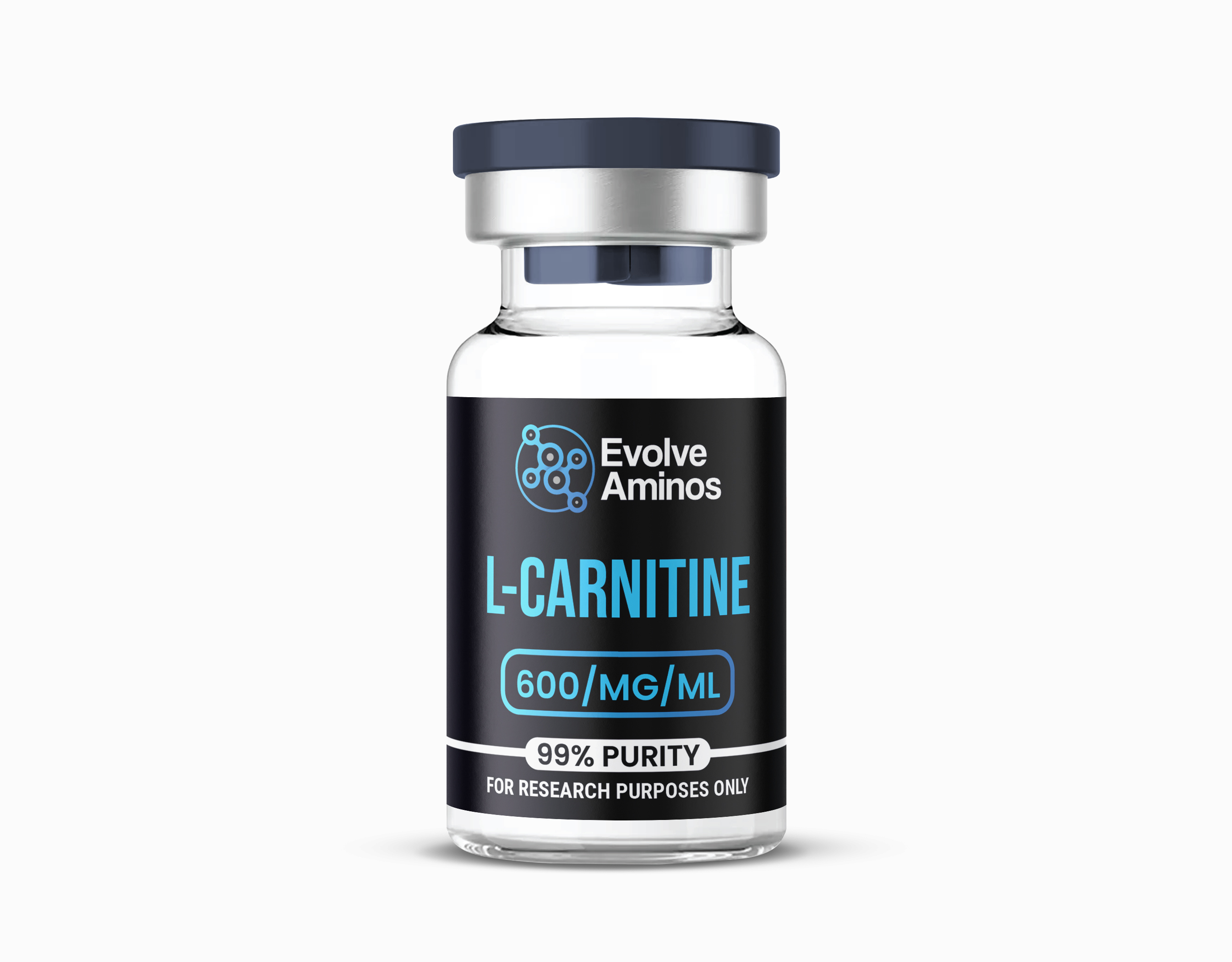
600mg/ml
L-Carnitine is a quaternary ammonium compound biosynthesized from lysine and methionine. It has been extensively studied for its role in mitochondrial fatty acid transport via the carnitine shuttle system, making it a key subject in lipid metabolism and bioenergetics research.
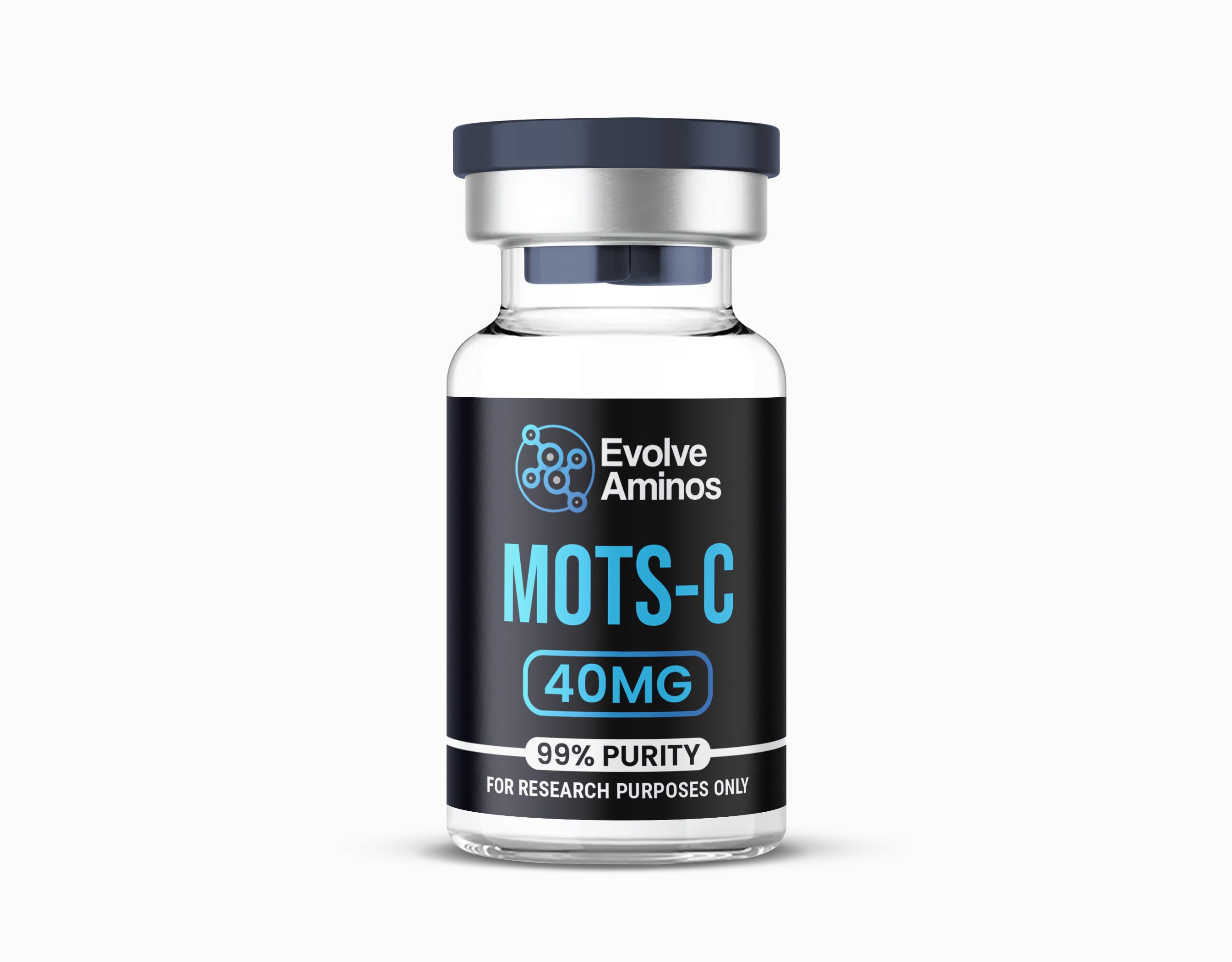
40mg
MOTS-c (Mitochondrial Open Reading Frame of the 12S rRNA Type-c) is a 16-amino acid mitochondrial-derived peptide encoded within the mitochondrial genome. It has been studied in preclinical models for its role in AMPK activation, glucose homeostasis regulation, and mitochondrial metabolic signaling.
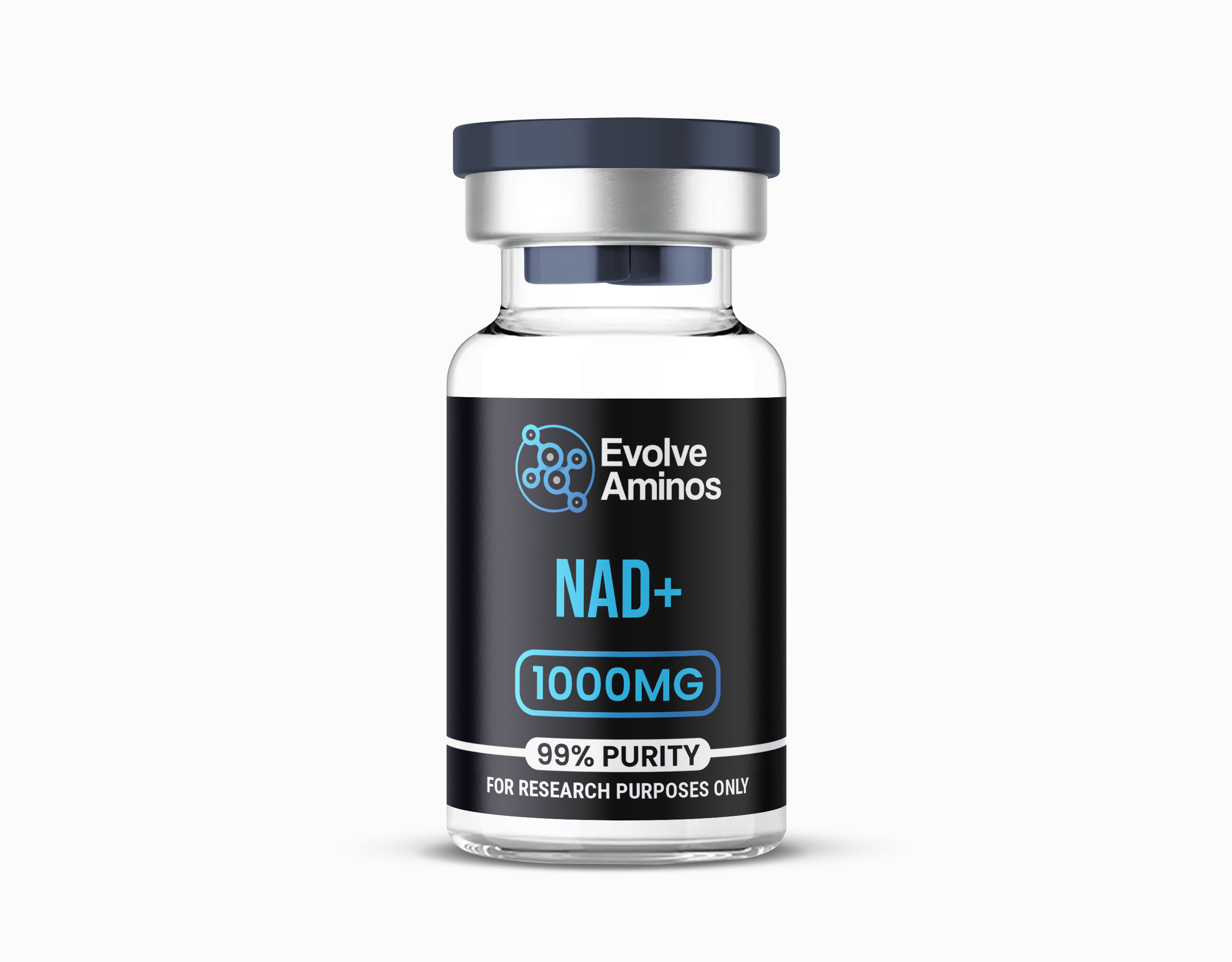
1000mg
NAD+ (Nicotinamide Adenine Dinucleotide) is a dinucleotide coenzyme central to cellular redox reactions and metabolic signaling. It is a critical subject in sirtuin biology research, PARP-mediated DNA repair studies, and age-related NAD+ depletion modeling. Its role in over 500 enzymatic reactions has been extensively characterized in published literature.
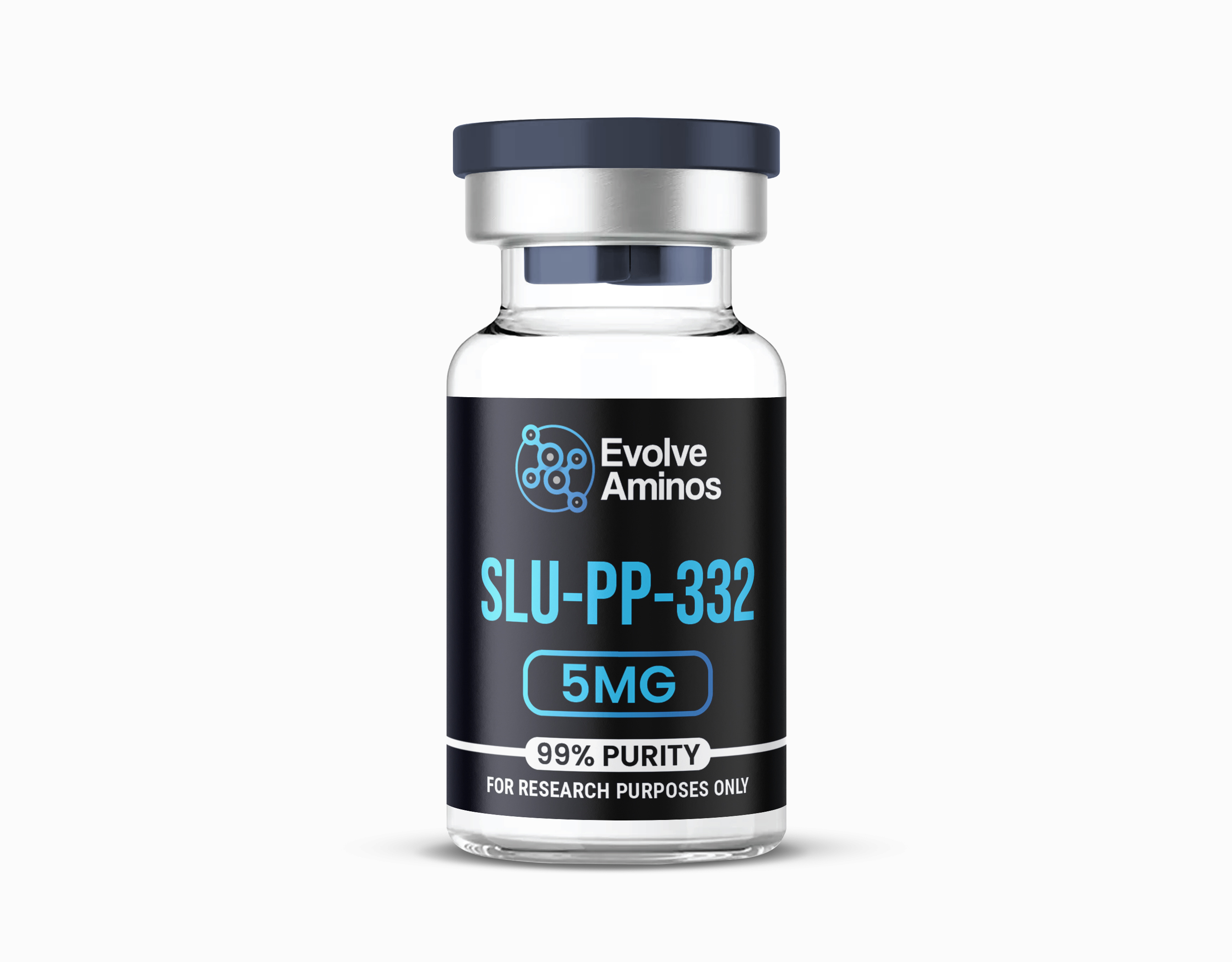
SLU-PP-332 is a small molecule ERR (estrogen-related receptor) agonist developed at Saint Louis University. It has been studied in preclinical animal models for its effects on skeletal muscle fiber-type switching, mitochondrial biogenesis, and oxidative metabolism pathways, mimicking transcriptional changes associated with endurance exercise.
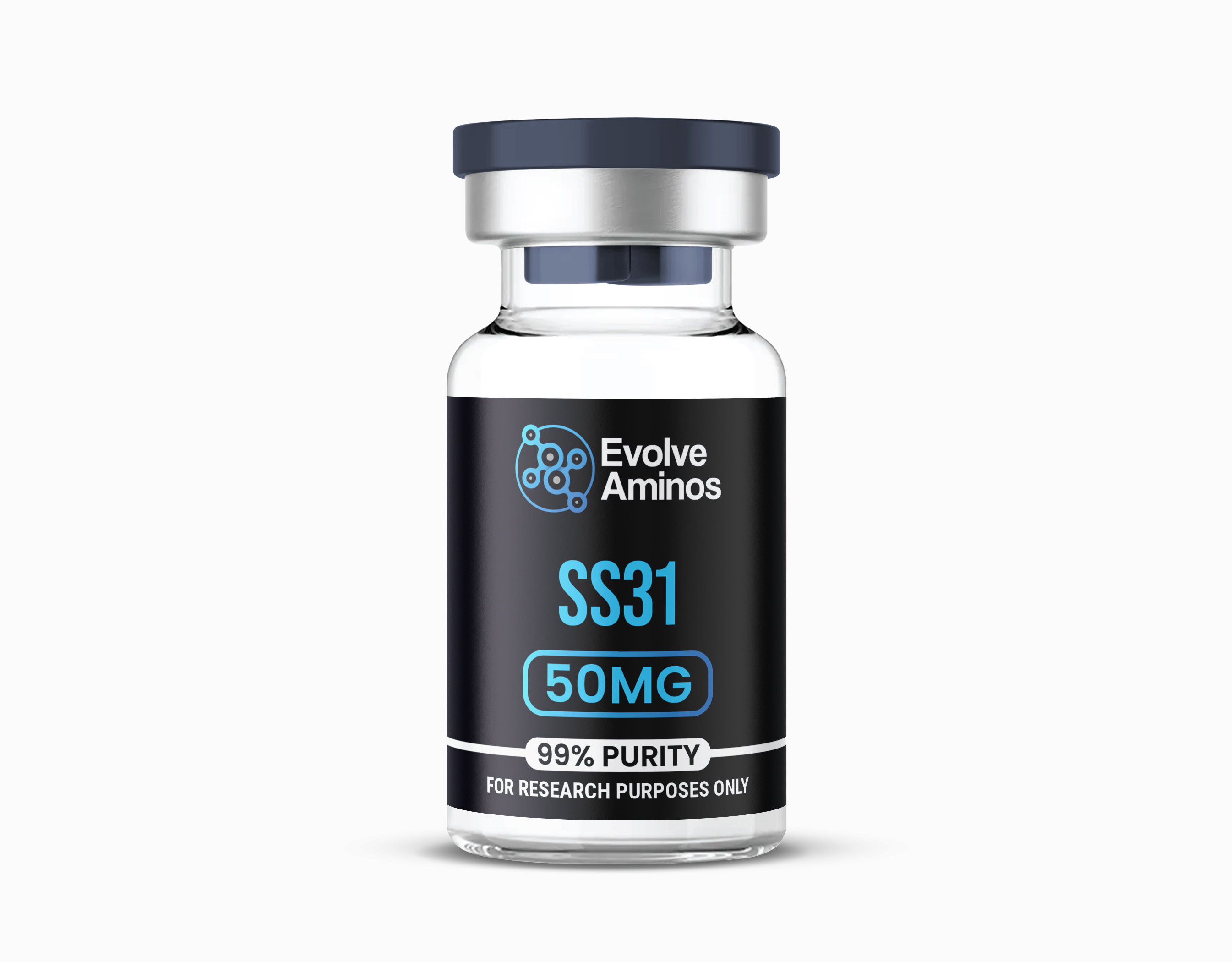
SS-31 (Elamipretide/Bendavia) is a cell-permeable, mitochondria-targeted tetrapeptide (D-Arg-Dmt-Lys-Phe-NH2). It has been studied in preclinical and clinical models for its selective accumulation in the inner mitochondrial membrane and its effects on electron transport chain efficiency and cardiolipin stabilization.
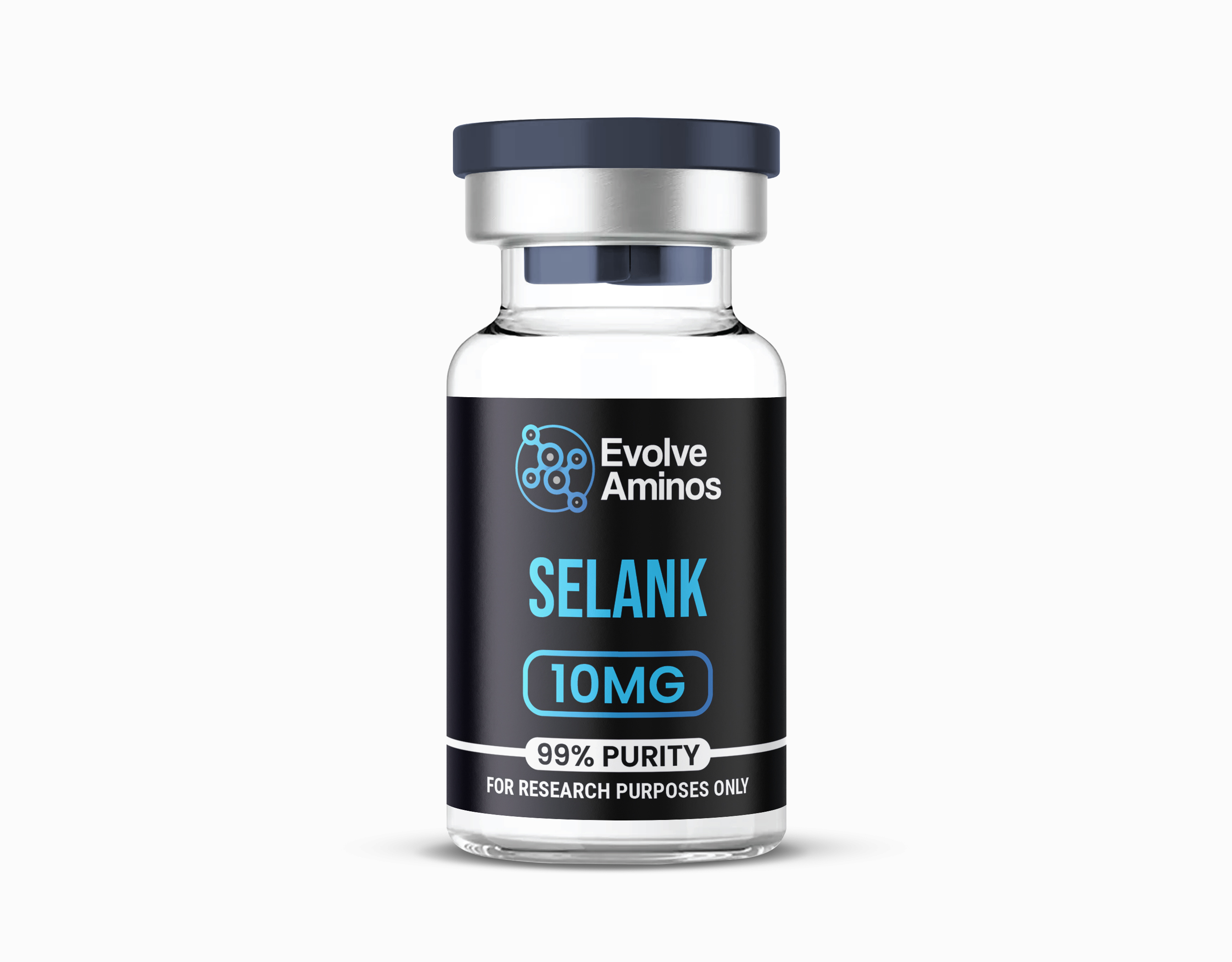
Selank is a synthetic peptide analog of the naturally occurring immunomodulatory peptide tuftsin. It is studied for its anxiolytic and nootropic properties, with research focusing on cognitive enhancement and stress response modulation.
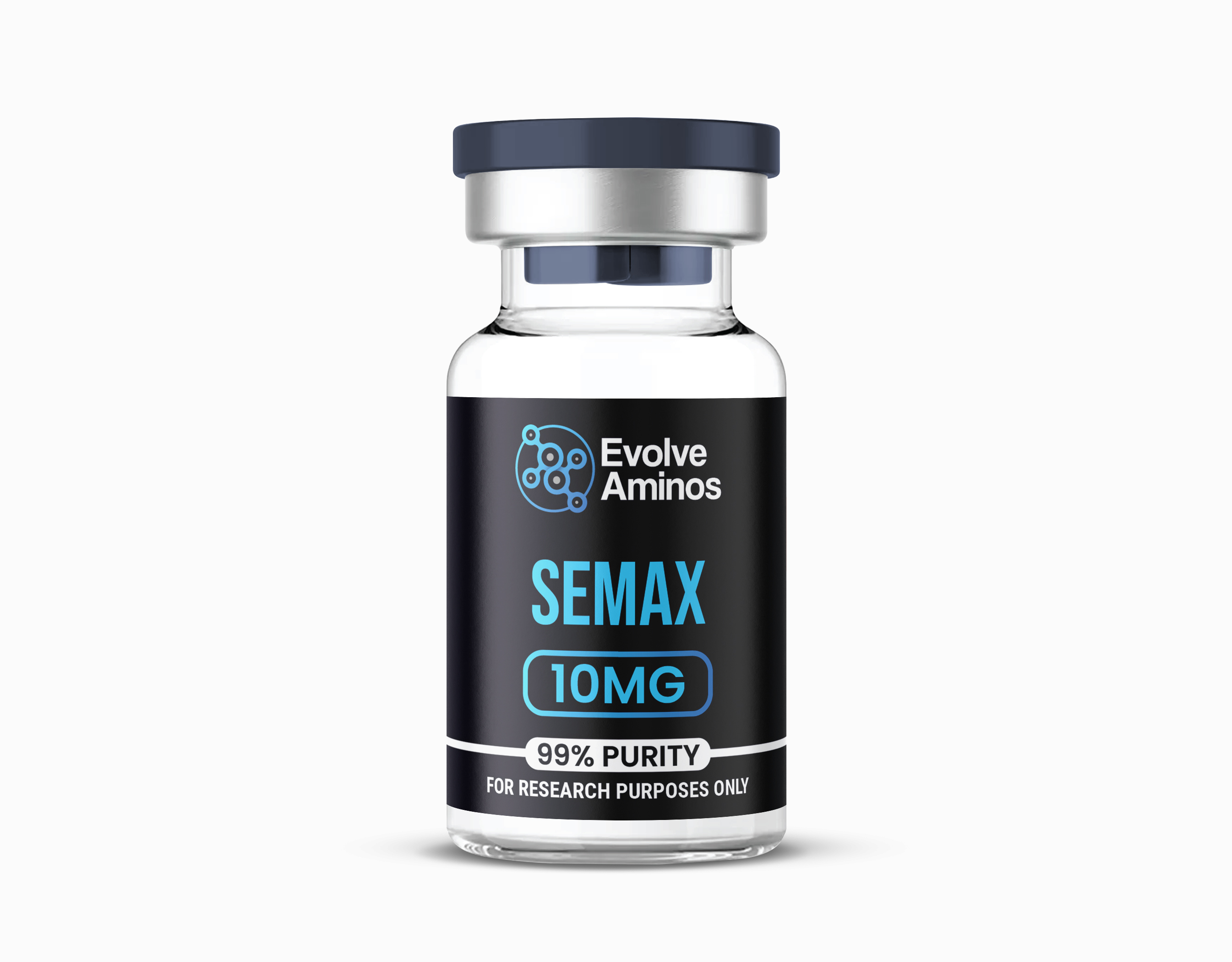
Semax is a synthetic heptapeptide analog of the ACTH(4-10) fragment, originally developed at the Institute of Molecular Genetics of the Russian Academy of Sciences. It has been studied for its effects on BDNF expression, neurotrophic factor modulation, and monoamine neurotransmitter system regulation in preclinical and clinical models.
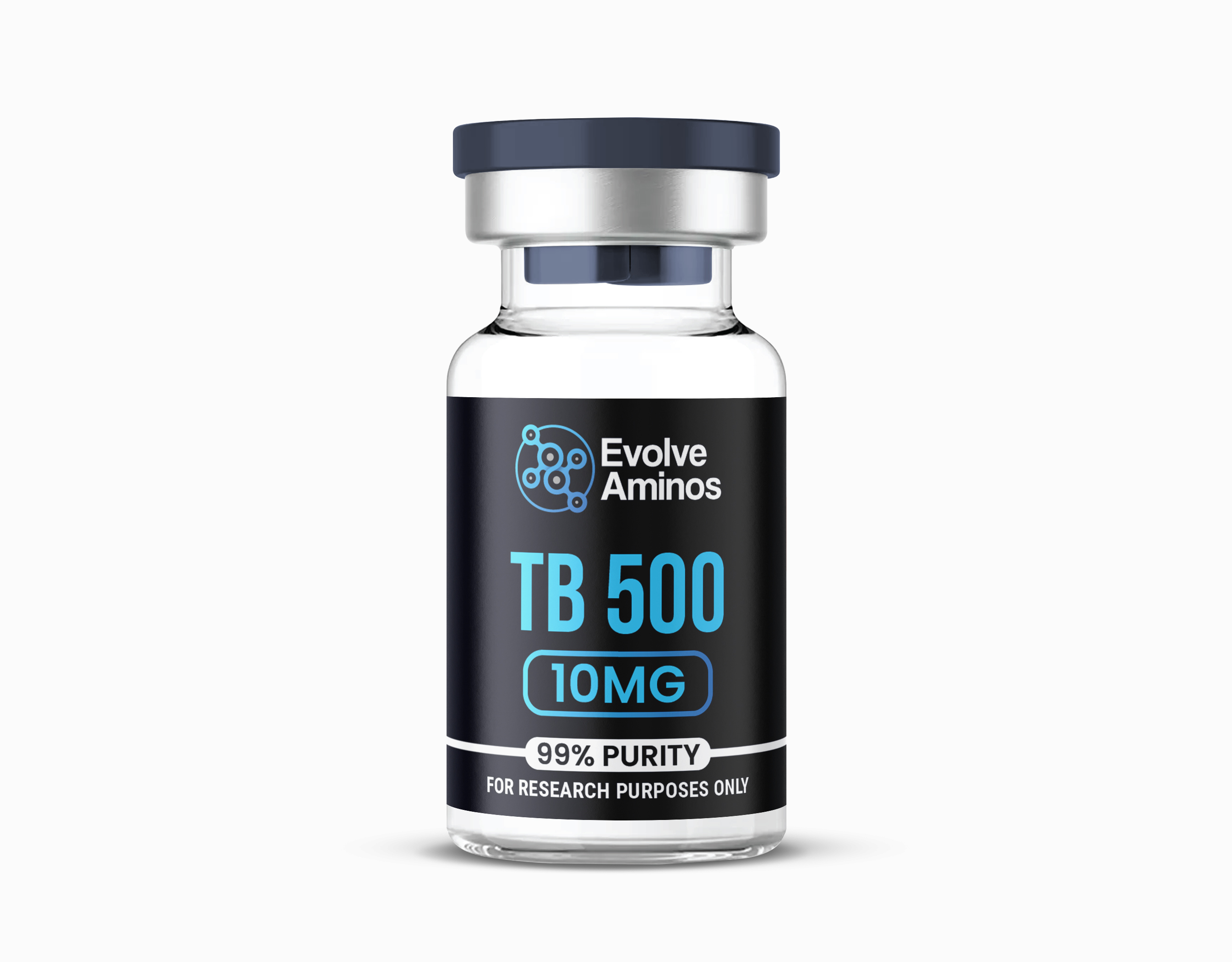
TB500 is a synthetic 43-amino acid peptide corresponding to the active region of Thymosin Beta-4, a naturally occurring protein involved in cell motility and differentiation. It has been studied in preclinical models for its role in actin polymerization, cell migration, and tissue repair signaling.
Tesamorelin is a synthetic analog of growth hormone-releasing hormone (GHRH) consisting of 44 amino acids. It has been studied in clinical trials for its effects on visceral adipose tissue reduction, growth hormone axis modulation, and lipid metabolism. Published research has examined its impact on body composition parameters and cognitive biomarkers.
Thymosin Alpha 1 is a peptide fragment derived from prothymosin alpha, studied for its potential immunomodulatory properties. Research focuses on its role in enhancing T-cell function, supporting immune response regulation, and potential applications in various immune-related conditions.
10mg/10mg
The Wolverine Stack combines BPC 157 and TB-500 (Thymosin Beta 4), two peptides studied for their synergistic healing properties. This combination is researched for enhanced tissue repair, recovery support, and regenerative applications.